Custom Lingerie Production: How to Launch Your Private Label Line
The lingerie industry has evolved significantly over the past few years, with an increasing demand for high-quality, stylish, and personalized products. Many entrepreneurs, fashion enthusiasts, and established brands are now looking to venture into the business of custom lingerie production, launching their private label lines. This process involves creating your own branded lingerie collection, which can range from everyday essentials like custom bras and wholesale panties to more specialized products like shapewear and wholesale sports bras.
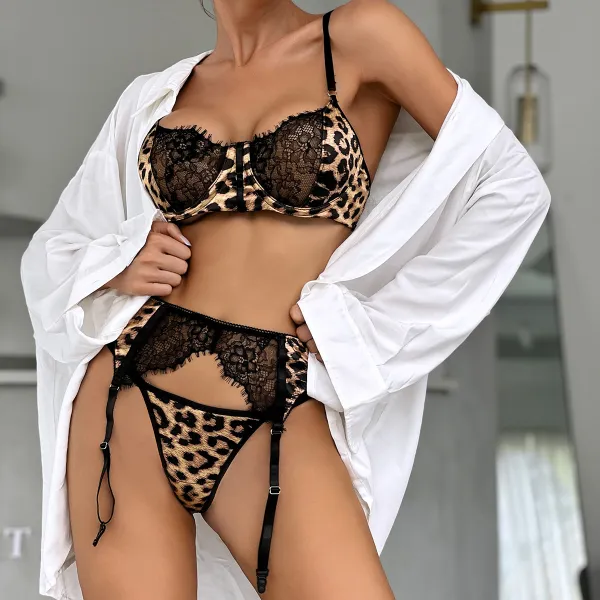
Whether you're an experienced business owner or a newcomer to the world of fashion, launching a private label lingerie line can be both exciting and lucrative. However, it requires careful planning, knowledge of the manufacturing process, and an understanding of your target market. In this article, we'll explore how to successfully launch a custom lingerie line, covering everything from sourcing, branding, and marketing, to selecting the right lingerie wholesale vendors and producing custom designs that resonate with your audience.
1. Understand the Market and Define Your Niche
Before diving into the production of custom lingerie, it's crucial to have a clear understanding of the lingerie market and identify the niche you want to target. The lingerie market is vast and encompasses a range of product categories, including casual everyday wear, sleepwear, shapewear, sports bras, and plus size lingerie.
Key Questions to Ask:
-
Who is your target audience? Are you targeting young women looking for trendy designs, or do you have a more specialized demographic, such as plus-size women, athletes, or those seeking eco-friendly lingerie?
-
What problem are you solving? Perhaps your line will provide comfortable, affordable bras for women with larger bust sizes, or maybe your focus is on activewear, offering high-quality wholesale sports bras for women with active lifestyles.
-
What makes your brand unique? This is your chance to define your brand’s identity. Will it focus on luxury, sustainability, inclusivity, or innovation in design?
Identifying your niche will not only help you craft the perfect product but also set the tone for your marketing and branding strategy. For example, if you decide to target the plus size market, you'll need to partner with wholesale lingerie plus size vendors that specialize in high-quality, flattering designs that cater to a broader range of body types.
2. Design and Product Development
Once you have a clear understanding of your niche, the next step is to focus on the design and development of your custom lingerie collection. Lingerie design is a combination of art and engineering; it requires attention to both aesthetics and functionality.
Steps to Design Custom Lingerie:
-
Sketch Your Designs: Start by sketching out your ideas or working with a designer to create the visual concept of your line. Think about the fabrics, colors, and styles that will appeal to your target audience. Consider the types of lingerie that are in demand—whether it’s custom bras, shapewear, or wholesale panties—and determine how you can differentiate your products.
-
Consider Fit and Comfort: Comfort is a major factor in lingerie purchasing decisions. Make sure your designs focus on providing a good fit and support. For example, if you're producing custom bras, take into account different cup sizes, strap styles, and closure options. Many brands are moving towards wire-free, seamless, and breathable designs to ensure comfort for all-day wear.
-
Material Selection: Choosing the right materials is crucial. You want fabrics that are both comfortable and durable. Look for high-quality cotton, satin, lace, and microfiber, as well as functional materials like moisture-wicking fabrics for sports bras or shapewear.
-
Create Samples: Once you have your designs and materials in mind, work with a manufacturer or sample maker to create prototypes. It’s essential to review these samples carefully for fit, fabric quality, and stitching. A good sample ensures that your final product will meet both your standards and those of your customers.
3. Find the Right Lingerie Wholesale Vendors
When launching your private label lingerie line, finding the right wholesale lingerie suppliers is critical. Working with reliable and reputable lingerie wholesale vendors can make or break your business. These vendors will supply you with the materials, fabrics, and even finished products, depending on the arrangement.
Key Considerations When Choosing a Wholesale Vendor:
-
Reputation and Experience: Look for suppliers with a proven track record in lingerie manufacturing. Check reviews, ask for references, and do your due diligence to ensure they are reputable.
-
Product Range: Ensure that the vendor can provide a diverse range of products suited to your line, whether it's wholesale sports bras, custom bras, or shapewear wholesale. A good vendor should be able to offer both basic pieces and more intricate designs that align with your vision.
-
Customization Options: If you're looking to create truly unique designs, you'll need a supplier who can accommodate custom orders. This could include adding your branding, choosing specific fabrics, or creating unique sizes. Some shapewear wholesale vendors specialize in custom production, which can give you the flexibility to build a distinct collection.
-
Minimum Order Quantities (MOQ): Some manufacturers may have minimum order requirements that could be too large for a startup business. Be sure to discuss MOQs and production costs upfront to ensure that your production budget aligns with your goals.
-
Lead Times and Production Schedules: Understanding the lead time for production is important. A vendor with a fast turnaround time will allow you to launch your collection more quickly, but make sure they can meet your quality expectations within those timelines.
-
Pricing and Payment Terms: Pricing is always a key factor in any business venture. Be sure to request detailed quotes that include unit costs, shipping fees, and payment terms. Look for suppliers who can offer competitive pricing without sacrificing quality.
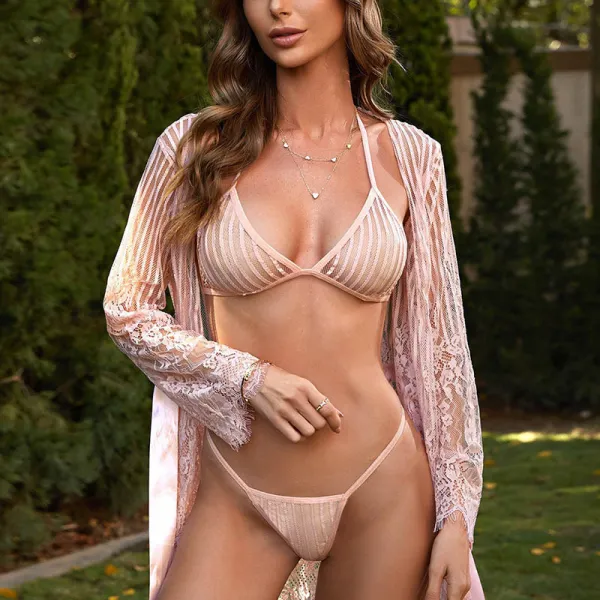
4. Set Up Your Branding and Packaging
The packaging and branding of your custom lingerie line are just as important as the product itself. Your packaging is often the first physical interaction your customers have with your brand, so it must create a lasting impression.
Branding Tips:
-
Logo and Brand Identity: Your logo should reflect your brand’s personality. Whether it's modern, luxurious, or minimalist, your logo should align with your target audience and the tone of your products. It’s also important to have consistent branding across all touchpoints, including your website, packaging, and social media.
-
Custom Packaging: Consider designing custom packaging that adds value to the customer experience. Luxurious tissue paper, elegant boxes, or reusable pouches can elevate your brand perception and make your customers feel special.
-
Sustainability: Consumers are increasingly seeking brands that prioritize sustainability. Consider using eco-friendly packaging materials, such as recyclable or biodegradable boxes, or offering packaging that is reusable.
5. Establish Your Online Store or Distribution Channels
In today's digital world, a strong online presence is crucial for the success of your custom lingerie brand. You will need to set up an ecommerce platform where customers can browse your collection and place orders.
Key Steps to Setting Up Your Online Store:
-
Build an Ecommerce Website: Create a user-friendly, professional website that showcases your products, tells your brand story, and allows customers to easily make purchases. Popular platforms like Shopify, WooCommerce, or BigCommerce offer customizable templates specifically designed for ecommerce stores.
-
Product Descriptions and Photography: High-quality product images are essential. Invest in professional photoshoots to ensure your custom bras, wholesale panties, and shapewear look their best online. Clear, detailed product descriptions are also important to help customers make informed decisions.
-
Payment and Shipping Options: Offer a variety of payment options, such as credit/debit cards, PayPal, and other digital wallets. Also, ensure your shipping process is streamlined. You may want to consider offering free shipping or international shipping options, depending on your business model.
-
Customer Service: Excellent customer service is a must. Be responsive to inquiries, offer easy returns or exchanges, and build customer loyalty through personalized experiences.
-
Marketing Your Line: Once your online store is set up, it’s time to focus on marketing. Use social media platforms like Instagram, Facebook, and Pinterest to showcase your products and engage with potential customers. Influencer partnerships and email marketing campaigns can also help spread the word about your custom lingerie line.
6. Production, Inventory Management, and Scaling Up
Once you’ve secured your wholesale lingerie suppliers and finalized your product designs, you can begin production. However, effective inventory management is crucial to ensure that you can meet demand without overstocking.
Inventory Management:
-
Track Stock Levels: Use inventory management software to keep track of your products and avoid stockouts or overstocking. This will also help you analyze which products are popular and which ones might need adjustment.
-
Manage Orders Efficiently: Streamlining your order process and fulfillment is key to keeping your business running smoothly. Some businesses choose to outsource fulfillment to third-party logistics providers (3PL), while others handle it in-house.
Scaling Up:
As your business grows, you may want to expand your product range, increase your order volume, or reach more customers. Look for ways to scale efficiently, such as automating your order processing, offering seasonal collections, or collaborating with larger distributors or retailers.
7. Marketing and Promoting Your Private Label Line
No lingerie line can succeed without a well-executed marketing strategy. Your marketing efforts will drive traffic to your store and build brand awareness.
-
Social Media Marketing: Instagram, in particular, is a powerful platform for showcasing lingerie. Create engaging content that highlights your custom bras and wholesale panties in a lifestyle context.
-
Influencer Partnerships: Collaborate with influencers in the lingerie, fashion, or fitness spaces to promote your line and reach a wider audience.
-
SEO and Content Marketing: Optimize your website for search engines (SEO) by incorporating relevant keywords such as "wholesale lingerie" or "custom bras" into your product descriptions and blog content.
-
Email Marketing: Build an email list to keep customers informed about new launches, special offers, or discounts.
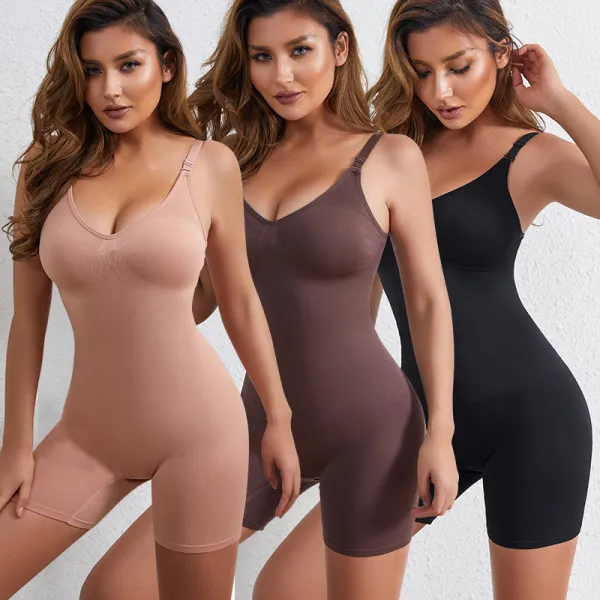
Launching a private label lingerie line can be a highly rewarding venture. By following these steps—understanding your market, designing unique and comfortable products, finding reliable suppliers, setting up a strong brand, and implementing effective marketing strategies—you can create a lingerie brand that resonates with your target audience. Whether you're focusing on custom bras, wholesale panties, or shapewear, with the right approach, your custom lingerie line can thrive in an ever-expanding market.


Comments
Post a Comment