Wholesale vs. Custom: Which Suit Service Fits Your Business Model?
The apparel industry is evolving at a breakneck pace, driven by shifting consumer preferences, technological advancements, and sustainability demands. For businesses navigating this landscape, choosing between wholesale and custom suit services is a critical decision. This 4000-word exploration delves into the nuances of both models, analyzing their advantages, challenges, and suitability for different business goals. By integrating keywords like wholesale clothing sets and custom kids sets, we’ll uncover how each approach aligns with modern market demands.

Understanding Wholesale Suit Services
Wholesale suit services revolve around bulk purchasing and standardized production. Brands or retailers buy large quantities of pre-designed apparel sets from manufacturers at discounted rates, then sell them through their channels. This model excels in efficiency, cost savings, and scalability.
Wholesale clothing sets dominate this space, offering ready-to-wear ensembles that cater to mass-market tastes. For instance, wholesale joggers sets—comprising matching tops and bottoms—are popular for their comfort and versatility. These sets are produced in bulk using consistent sizing and designs, ensuring quick turnover and minimal production costs. Similarly, wholesale skirts sets and wholesale shorts sets appeal to casual and seasonal wear markets, with lightweight fabrics and trend-driven cuts.
Wholesale men sets and wholesale kids sets further illustrate the model’s breadth. Men’s sets often include blazers, trousers, or casual two-piece outfits, while kids’ sets prioritize durability and growth-friendly features like adjustable waistbands. The key advantage here is predictability: retailers can stock large inventories without the risk of over-customization.
However, wholesale services have drawbacks. Limited customization options mean brands can’t cater to niche tastes or unique sizing needs. Inventory management is also challenging—overstocking leads to deadstock, while understocking risks lost sales. Moreover, wholesale relies on economies of scale; smaller businesses may struggle to meet minimum order quantities (MOQs), making it less accessible for startups.
Exploring Custom Suit Services
Custom suit services, by contrast, prioritize personalization. Brands or manufacturers create bespoke apparel sets tailored to individual measurements, design preferences, or specific use cases. This model thrives on exclusivity, premium pricing, and customer loyalty.
Custom women sets exemplify this approach, offering tailored fits, unique color palettes, and premium fabrics. For example, a custom women sets line might include a blazer and trousers crafted from organic wool, with options for monogramming or custom lining. Similarly, custom mens sets cater to professional or formal wear, allowing clients to choose fabrics like cashmere blends or eco-friendly materials.
Custom kids sets take personalization further by incorporating growth allowances, hypoallergenic fabrics, or themed designs. A brand might offer custom kids sets with adjustable hems or interactive elements like detachable patches, appealing to parents seeking both functionality and fun.
The benefits of custom services are clear: higher perceived value, reduced return rates (due to precise fits), and stronger customer relationships. Brands can charge premium prices, justifying the higher production costs. Additionally, custom services align with sustainability trends, as made-to-order production minimizes waste.
Yet, custom services demand significant resources. Longer production times, higher MOQs for smaller batches, and the need for skilled artisans or advanced technology (like 3D body scanning) can increase costs. Marketing custom services also requires targeted campaigns to educate consumers on the value of personalization.
Comparative Analysis: Cost, Flexibility, and Market Demand
Comparing wholesale and custom services requires examining cost structures, scalability, and market alignment.
Scalability is another factor. Wholesale excels in high-volume markets, such as fast fashion or seasonal trends. A brand producing wholesale skirts sets for summer can quickly scale production to meet demand spikes. Custom services, while scalable through modular designs or pre-set customization options, are better suited for niche markets or luxury segments.
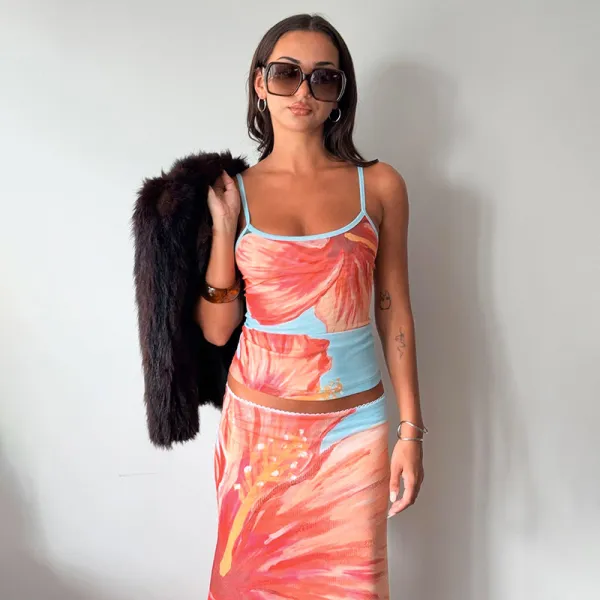
Market demand varies by demographics. Younger consumers prioritize personalization, making custom kids sets or custom women sets attractive for brands targeting millennials or Gen Z. Conversely, price-sensitive markets or businesses serving corporate clients (e.g., uniforms) lean toward wholesale.
Brand identity also plays a role. Wholesalers often position themselves as affordable, reliable, and trend-focused. Custom brands emphasize craftsmanship, exclusivity, and ethical production. A hybrid approach—offering both wholesale and custom lines—can cater to diverse customer segments, balancing volume and personalization.
Case Studies: Real-World Applications
To illustrate these dynamics, consider two case studies.
Hybrid Models and Emerging Trends
Hybrid approaches are gaining traction. Brands like EcoChic Apparel combine wholesale and custom services, offering wholesale clothing sets for everyday wear and custom kids sets for special occasions. This model balances volume and personalization, catering to diverse customer needs.
Technological advancements are shaping both models. AI-driven design tools allow brands to offer limited customization on wholesale items, such as choosing colors or prints for wholesale joggers sets. Meanwhile, 3D printing and on-demand manufacturing reduce lead times for custom orders, making them more viable for mid-sized businesses.
Sustainability is another trend. Brands are increasingly adopting circular models, such as take-back programs for wholesale shorts sets or rental options for custom mens sets. These initiatives align with consumer demand for ethical consumption and reduce environmental impact.
Choosing the Right Model for Your Business
Selecting between wholesale and custom services depends on several factors:
- Business Size and Budget: Startups with limited capital may prioritize wholesale for lower MOQs and faster ROI. Established brands can invest in custom services to enhance brand prestige.
- Target Market: Price-sensitive demographics favor wholesale, while luxury or niche markets prefer custom.
- Production Capabilities: Businesses with advanced tech (e.g., automated cutting machines) can handle custom orders efficiently.
- Brand Goals: Brands aiming for rapid scalability choose wholesale; those prioritizing exclusivity and loyalty opt for custom.
Future Outlook: Adaptability and Innovation
The future of suit services lies in adaptability. As consumers demand both affordability and personalization, brands must innovate. For instance, modular designs allow wholesale skirts sets to be customized with interchangeable accessories. Similarly, subscription models for custom kids sets offer seasonal updates without full redesigns.
Technological advancements, such as blockchain for supply chain transparency or VR for virtual try-ons, will further enhance both models. Brands that embrace these innovations while staying true to their core values—whether efficiency or craftsmanship—will thrive.
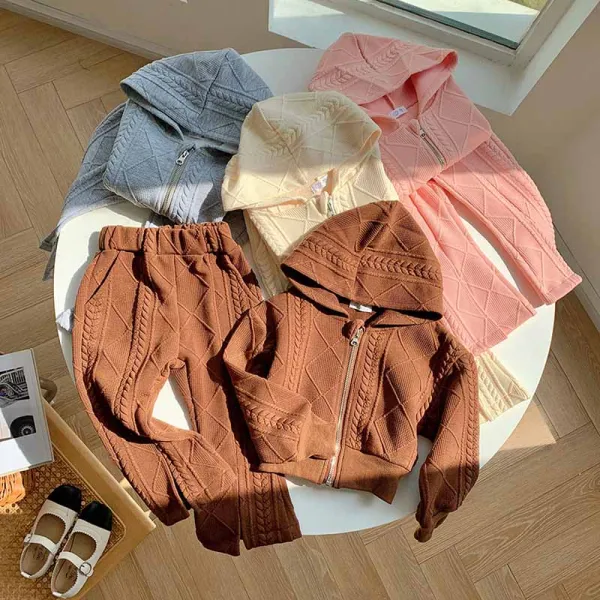
The choice between wholesale and custom suit services is not binary but strategic. Wholesale excels in scalability and cost efficiency, making it ideal for mass-market appeal. Custom services thrive on personalization and exclusivity, catering to niche or luxury segments. By analyzing keywords like wholesale clothing sets and custom kids sets, businesses can align their offerings with market demands, brand identity, and long-term goals.
Ultimately, the best model depends on a brand’s unique context. Hybrid approaches, technological integration, and sustainability initiatives will define the next era of apparel manufacturing. As the industry evolves, businesses must remain agile, balancing volume and personalization to meet the diverse needs of consumers in 2026 and beyond.


Comments
Post a Comment