Bulk Shoes Buying Guide for E-commerce Sellers
As an e-commerce seller, navigating the world of wholesale shoes can be both exciting and challenging. The right inventory decisions can make or break your business, especially when it comes to footwear - a category that combines style, functionality, and seasonal trends. Whether you're just starting your online store or looking to expand your product offerings, this guide will provide you with the essential strategies for successful bulk shoe purchasing.
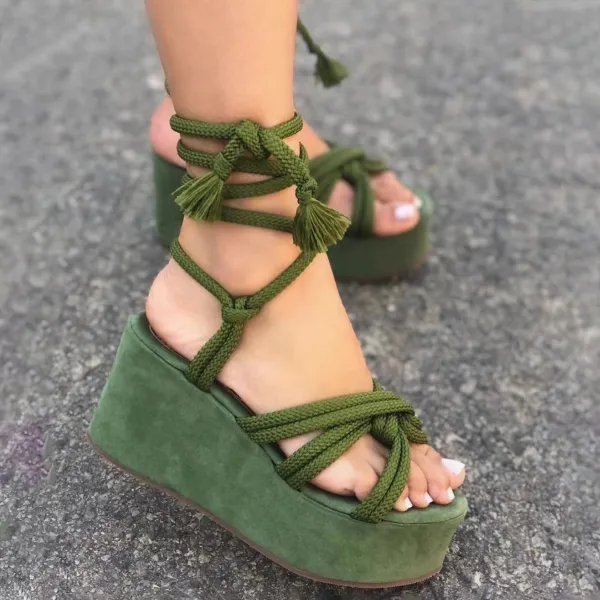
In the competitive world of e-commerce, having the right shoe inventory can set you apart from competitors. The key is to balance popular styles with niche offerings, while maintaining optimal inventory levels to maximize profitability. For a comprehensive selection of wholesale shoes to consider for your inventory, explore the extensive collection available at wholesale shoes.
Understanding Your Inventory Needs
Before diving into bulk purchases, it's crucial to analyze your target market and sales data. E-commerce sellers should consider:
Customer demographics: Age, gender, and style preferences of your target audience. For example, a store targeting young adults might focus more on sneakers and casual shoes, while a store catering to professionals might stock more dress shoes and boots.
Seasonal demands: Planning for upcoming seasons and trends. This includes not just weather-related seasonal changes, but also fashion cycles and cultural events that might influence shoe purchases.
Sales velocity: How quickly different shoe styles move in your store. Analyzing historical sales data can help you identify which styles are fast movers and which might require more promotional efforts.
Storage capacity: The physical space available for inventory. This includes both your warehouse space and any fulfillment center limitations if you're using third-party logistics.
Budget constraints: Your available capital for inventory purchases. Bulk buying often requires significant upfront investment, so it's important to balance inventory levels with cash flow considerations.
By understanding these factors, you can make more informed decisions about which types of shoes to purchase in bulk and in what quantities. This strategic approach will help you avoid overstocking slow-moving items while ensuring you have enough inventory of popular styles to meet customer demand.
Choosing the Right Shoe Categories
The shoe market offers a wide range of categories, each with its own demand patterns and profit margins. When building your inventory, consider including a mix of:
Sneakers: A staple category with year-round demand, especially popular among younger consumers. Sneakers come in various styles, from athletic performance models to casual lifestyle designs. For a diverse selection, check out wholesale sneakers options that cater to different customer preferences.
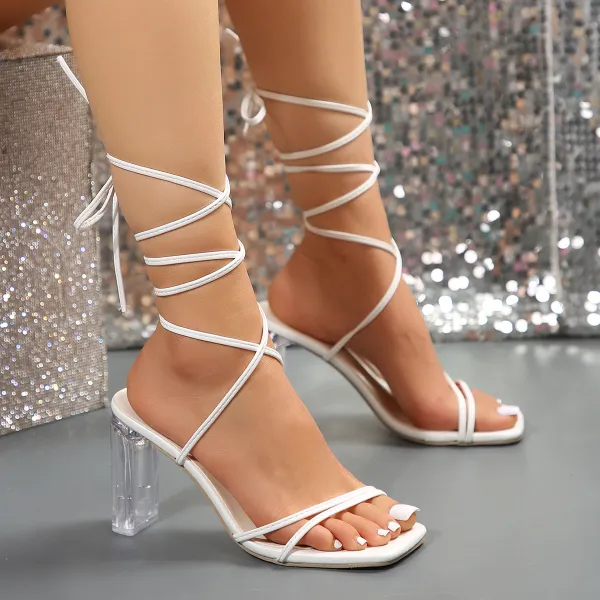
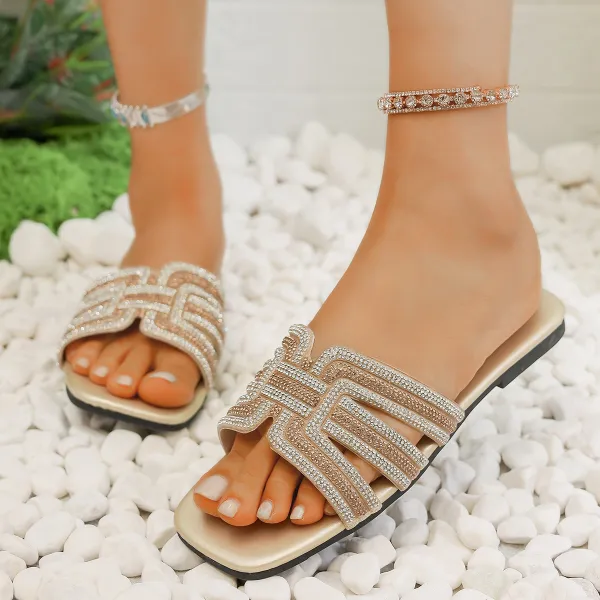
Sandals: Seasonal but essential for summer collections. From flip-flops to wedges, sandals offer a wide range of styles for different occasions. Explore various styles at wholesale sandals suppliers to find options that match your target audience's preferences.
Boots: Key for fall and winter seasons. Boots range from ankle boots to knee-high styles, with materials ranging from leather to synthetic options. Find quality options at wholesale boots distributors to prepare for colder months.
Casual shoes: Everyday wear with consistent demand. This category includes loafers, oxfords, and other versatile styles that work for various occasions. Casual shoes often have more stable demand throughout the year.
Specialty footwear: Niche categories that cater to specific customer needs. This could include work boots, orthopedic shoes, or specialized athletic footwear. While these categories may have smaller demand, they can offer higher profit margins and less competition.
When selecting shoe categories, it's important to consider your target audience's preferences, seasonal demand patterns, and your store's overall branding. A well-balanced inventory that includes both popular categories and niche offerings can help you attract a wider customer base while maximizing sales opportunities.
Finding Reliable Wholesale Shoe Suppliers
One of the most critical aspects of successful bulk shoe buying is finding reputable suppliers. When evaluating potential suppliers, look for:
Product quality: Request samples to assess materials and craftsmanship. High-quality shoes not only satisfy customers but also reduce returns and build your brand's reputation.
Minimum order quantities (MOQs): Ensure they align with your business needs. Some suppliers require large minimum orders, which may not be feasible for smaller e-commerce stores.
Pricing structure: Compare costs across multiple suppliers. Look for transparent pricing and consider the total cost, including shipping and any additional fees.
Shipping and delivery times: Consider how they impact your inventory turnover. Faster delivery times can help you respond more quickly to changing market demands.
Return and exchange policies: Understand your options for defective merchandise. A flexible return policy can protect your business from unexpected costs.
Communication and support: Evaluate how responsive and helpful the supplier's customer service is. Good communication is essential for resolving issues and building a successful long-term relationship.
A reliable supplier can become a long-term business partner, helping you maintain consistent inventory and adapt to market changes. For a trusted source of wholesale footwear, consider established platforms that offer a wide range of styles and competitive pricing. Building strong relationships with multiple suppliers can also provide redundancy and give you more negotiating power.
Negotiating Better Prices and Terms
Effective negotiation can significantly impact your bottom line. Here are some strategies for securing better deals:
Volume discounts: Ask about pricing tiers for larger orders. Many suppliers offer graduated discounts based on order size, so it's worth calculating the break-even point for larger orders.
Payment terms: Negotiate flexible payment schedules. Some suppliers may offer longer payment terms or installment options, which can help improve your cash flow.
Exclusive arrangements: Consider exclusive rights to certain styles in your market. This can give you a competitive advantage and potentially justify higher prices.
Seasonal pricing: Plan ahead for off-season purchases when prices may be lower. Buying winter boots in the summer or sandals in the winter can often result in significant savings.
Bundle deals: Ask about discounts for purchasing multiple categories or styles together. Suppliers may be more willing to negotiate if you're placing a larger, more diverse order.
Long-term commitments: Consider signing a longer-term agreement with suppliers in exchange for better pricing. This provides them with predictable business while giving you more stable costs.
Remember that building a strong relationship with your supplier can lead to better terms over time. Regular communication, prompt payments, and clear feedback can help establish trust and make suppliers more willing to accommodate your needs. For those interested in women's footwear, exploring wholesale women high heel options can be particularly lucrative during peak seasons.
Managing Inventory and Logistics
Efficient inventory management is essential for e-commerce success. Implement these practices:
Inventory tracking system: Use software to monitor stock levels and sales patterns. Modern inventory management systems can provide real-time data on stock levels, sales velocity, and reorder points.
Just-in-time inventory: Balance between having enough stock and avoiding overstock. This approach helps minimize storage costs while ensuring you have enough inventory to meet customer demand.
Dropshipping options: Consider dropshipping for certain shoe styles to reduce storage costs. This can be particularly beneficial for niche or seasonal items with uncertain demand.
Returns management: Establish a clear process for handling returns and exchanges. A well-managed returns process can reduce losses and improve customer satisfaction.
Inventory forecasting: Use sales data and market trends to predict future demand. This can help you make more informed purchasing decisions and avoid both stockouts and overstock situations.
SKU optimization: Analyze which SKUs are performing well and which are not. Focus your bulk purchasing on high-performing SKUs while reducing or eliminating slow-moving items.
For specialized categories like comfortable home footwear, wholesale house slippers can be a great addition to your inventory with relatively low seasonality. These items often have consistent demand throughout the year, making them a reliable staple in your product mix.
Marketing and Selling Wholesale Shoes Online
Once you have your inventory in place, effective marketing can help maximize sales:
High-quality product photography: Invest in professional images that showcase your shoes from multiple angles. Clear, well-lit photos can significantly increase conversion rates.
Detailed product descriptions: Include materials, sizing information, style details, and care instructions. Comprehensive descriptions help customers make informed purchasing decisions and reduce returns.
SEO optimization: Use relevant keywords in product titles and descriptions. Research popular search terms related to your shoe categories and incorporate them naturally into your content.
Social media promotion: Showcase your shoe collection on platforms where your target audience engages. Use platforms like Instagram, Pinterest, and Facebook to display your products and reach potential customers.
Email marketing: Keep customers informed about new arrivals, special promotions, and restocked items. Personalized email campaigns can be highly effective for driving repeat purchases.
Influencer partnerships: Collaborate with influencers in your niche to promote your shoe products. Authentic reviews and endorsements can significantly increase brand awareness and credibility.
Content marketing: Create blog posts, buying guides, and style tips related to footwear. This not only drives organic traffic to your store but also positions you as an authority in the shoe industry.
Customer reviews: Encourage customers to leave reviews of your products. Positive reviews can build trust and influence purchasing decisions.
Bulk shoe buying for e-commerce requires careful planning, market analysis, and strategic partnerships. By understanding your inventory needs, choosing the right shoe categories, finding reliable suppliers, negotiating effectively, managing inventory efficiently, and marketing your products strategically, you can build a successful shoe business online.
Remember that the key to success lies in balancing inventory levels with customer demand, staying attuned to market trends, and building strong relationships with suppliers. With the right approach, bulk shoe buying can become a profitable cornerstone of your e-commerce business.
As you grow your shoe business, continue to refine your purchasing strategies based on sales data and customer feedback. Stay informed about industry trends and be willing to adapt your inventory mix to meet changing customer preferences.
For a wide selection of wholesale shoes to add to your inventory, explore the extensive collection available through reputable suppliers in the industry. Whether you're looking for shoes in bulk or specific categories like wholesale slippers, taking the time to research and plan your purchases will pay off in the long run. For additional options, consider exploring wholesale men shoes or wholesale girls shoes to expand your inventory and cater to a wider range of customers.


Comments
Post a Comment