Custom Plus Size Clothing: Meeting the Demand for Inclusive Fashion
The global fashion industry is undergoing a significant transformation. Inclusivity is no longer a niche concept—it has become a central expectation among modern consumers. As more people demand representation, comfort, and individuality, brands are responding with expanded sizing and personalized designs. One of the most effective ways to address this shift is through custom plus size clothing, which empowers businesses to meet diverse body needs while building strong, loyal customer bases.
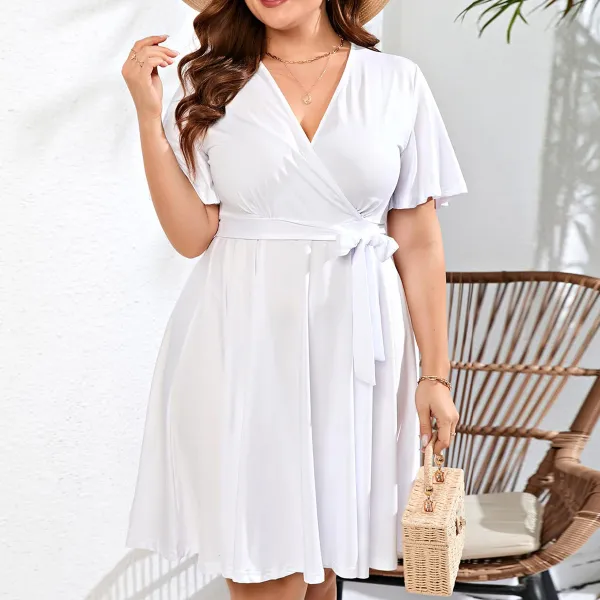
In 2026, inclusive fashion is not just a trend; it is a movement reshaping how clothing is designed, produced, and marketed. This article explores how businesses can leverage customization and private labeling to meet the growing demand for plus size fashion and create sustainable growth opportunities.
The Rise of Inclusive Fashion
For decades, the fashion industry largely overlooked plus size consumers, offering limited styles and inconsistent sizing. Today, this narrative is changing rapidly.
Changing Consumer Expectations
Consumers now expect brands to:
- Offer extended size ranges
- Provide flattering, well-fitted designs
- Represent diverse body types in marketing
- Deliver the same level of style and quality across all sizes
This shift has created a significant market opportunity for brands willing to invest in inclusivity.
Market Growth
The plus size apparel market has grown steadily, driven by:
- Increased body positivity movements
- Greater awareness of diversity and representation
- Rising purchasing power among plus size consumers
Brands that embrace inclusivity are not only meeting demand but also gaining a competitive advantage.
Why Customization Matters in Plus Size Clothing
Customization is key to delivering a better fit and enhanced customer satisfaction. Unlike standard sizing, custom solutions allow brands to address the unique needs of individual customers.
Improved Fit and Comfort
Custom clothing ensures that garments are tailored to specific body shapes, reducing common issues such as tightness, discomfort, or poor proportions.
Enhanced Customer Confidence
Well-fitting clothing boosts confidence and encourages repeat purchases. Customers who feel represented and valued are more likely to remain loyal to a brand.
Differentiation in the Market
Offering customization sets your brand apart from competitors and positions it as a leader in inclusive fashion.
Building a Brand with Private Label Solutions
Private labeling enables businesses to create unique products under their own brand name. By leveraging custom clothing private label services, brands can maintain control over design, quality, and branding.
Benefits of Private Labeling
- Strong brand identity
- Higher profit margins
- Flexibility in product development
- Ability to respond quickly to trends
Expanding Product Categories for Inclusivity
To fully meet the needs of plus size consumers, brands should offer a diverse range of products.
Dresses
Stylish and versatile, custom dresses allow brands to cater to various occasions, from casual wear to formal events.
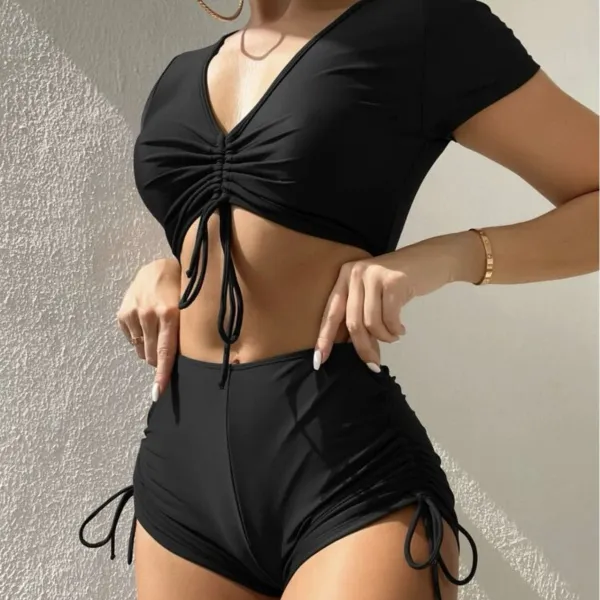
Swimwear
Inclusive swimwear is in high demand, especially during warmer seasons. Offering custom swimwear ensures customers can find comfortable and flattering options.
Lingerie
Comfort and support are essential in this category. Products like custom lingerie provide personalized solutions that enhance both fit and confidence.
Sportswear
The activewear market continues to grow, with consumers seeking functional and stylish options. custom sportswear allows brands to meet these needs effectively.
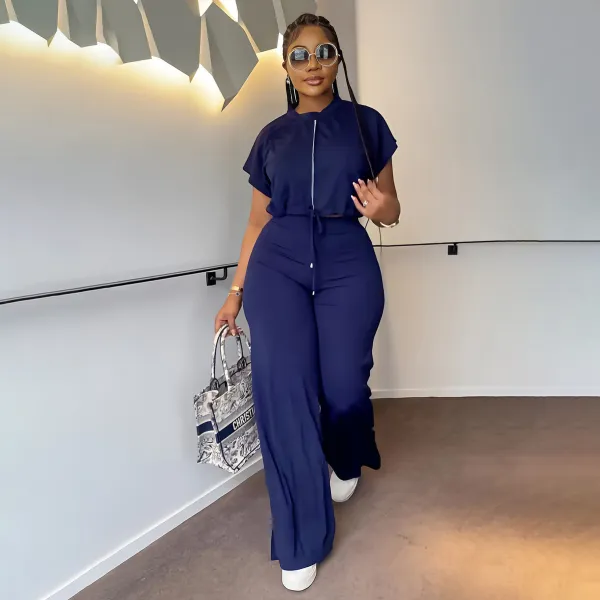
Women’s Sets
Matching outfits such as custom women's sets offer convenience and style, making them popular among modern consumers.
Accessories
Accessories can enhance any outfit. Offering items like custom socks adds variety and increases average order value.
Denim
Denim remains a staple in every wardrobe. Providing custom jeans ensures that plus size customers have access to well-fitting, durable options.
Designing for Plus Size Consumers
Creating effective plus size clothing requires a thoughtful approach to design.
Understanding Body Diversity
Plus size bodies come in a wide range of shapes and proportions. Designers must consider factors such as:
- Bust, waist, and hip ratios
- Body length and proportions
- Movement and flexibility
Fabric Selection
Choosing the right fabrics is essential for comfort and durability. Stretchable, breathable materials are often preferred.
Attention to Detail
Details such as seam placement, waistbands, and closures can significantly impact fit and comfort.
Marketing Inclusive Fashion
Effective marketing is crucial for reaching plus size consumers and building brand loyalty.
Representation Matters
Use diverse models and authentic imagery to reflect your target audience. Representation builds trust and connection.
Body Positivity Messaging
Promote messages of confidence, empowerment, and self-expression. Avoid stereotypes and unrealistic standards.
Social Media Engagement
Platforms like Instagram and TikTok are powerful tools for showcasing inclusive fashion. Share styling tips, customer stories, and behind-the-scenes content.
Enhancing Customer Experience
Customer experience plays a vital role in the success of inclusive fashion brands.
Personalized Shopping
Offer customization options and tailored recommendations to meet individual needs.
Clear Sizing Information
Provide detailed size guides and fit descriptions to help customers make informed decisions.
Responsive Support
Address customer inquiries and concerns promptly to build trust and satisfaction.
Challenges in Plus Size Fashion
Limited Industry Standards
Sizing inconsistencies across brands can create confusion. Solution: establish clear and consistent sizing guidelines.
Higher Production Costs
Producing plus size clothing may require more materials and specialized designs. Solution: optimize production processes and pricing strategies.
Inventory Management
Balancing supply and demand can be challenging. Solution: use data analytics to forecast trends and manage inventory effectively.
Future Trends in Inclusive Fashion
Technology Integration
Innovations such as virtual fitting rooms and AI-driven design are transforming the shopping experience.
Sustainability
Eco-friendly materials and ethical production practices are becoming increasingly important to consumers.
Hyper-Personalization
Advanced customization options will allow customers to create truly unique garments tailored to their preferences.
The demand for inclusive fashion continues to grow, presenting significant opportunities for businesses. By offering custom plus size clothing, brands can meet customer expectations, enhance satisfaction, and build lasting relationships.
Expanding product categories—from dresses and swimwear to lingerie, sportswear, women’s sets, socks, and jeans—ensures a comprehensive and appealing product range. Leveraging private label solutions, focusing on thoughtful design, and implementing effective marketing strategies will position your brand for success in the evolving fashion landscape.
In 2026 and beyond, inclusivity is not just a competitive advantage—it is a necessity. Brands that embrace diversity, prioritize customization, and deliver exceptional experiences will lead the future of fashion.


Comments
Post a Comment