How to Build a Profitable Inventory of Men's Clothing, Shoes, and Bags
In the dynamic and highly competitive retail environment of 2026, operating a men's boutique or an e-commerce apparel brand requires far more than simply stocking attractive items on a digital storefront or physical rack. Profitability in the modern menswear sector is a delicate balancing act between managing inventory carrying costs, minimizing high return rates, and capturing customer loyalty through superior quality, durable fabrics, and precise sizing. For boutique owners, e-commerce entrepreneurs, and growing retail brands, the traditional transactional approach to purchasing inventory is no longer sufficient to guarantee long-term growth.

Smart sourcing is the cornerstone of sustainable retail profitability. When retailers move away from generic, low-quality commodity reselling and begin forging strategic partnerships within elite channels specializing in
1. Introduction: The Evolving Landscape of Men's Retail
The contemporary men's apparel industry has undergone a massive transformation. Modern male consumers are increasingly discerning, demanding versatile wardrobes that seamlessly transition from remote work environments to casual outings, athletic pursuits, and social gatherings. Unlike general retail segments, men's clothing and footwear rely heavily on structural precision, durable stitching, and long-lasting fabric integrity. When a customer purchases a poorly constructed pair of shoes, an ill-fitting pair of denim jeans, or scratchy innerwear, the likelihood of a return skyrockets, eroding your hard-earned profit margins.
Therefore, smart sourcing begins at the manufacturing level. Retailers must audit their supply chains to ensure that every partner adheres to rigorous quality control standards. By securing high-grade materials and reliable construction, you lay the groundwork for low return rates, high customer satisfaction, and sustainable profit margins.
2. Mastering Core Sourcing: The Foundation of Everyday Essentials
Every successful men's retail enterprise is built upon a reliable foundation of daily essentials. These are the staple items that consumers purchase consistently throughout the year, regardless of seasonal shifts or fleeting fashion trends. Mastering the procurement of these foundational pieces is the first step toward securing predictable, high-margin revenue streams.
Building Staple Appeal with T-Shirts and Polos
The backbone of any men's casual wardrobe rests on comfortable, durable basics. When sourcing high-turnover casual wear, incorporating
Innerwear Economics and Bulk Sourcing
Beyond outer layers, intimate essentials represent a powerhouse for recurring revenue. When sourcing foundational garments such as everyday support wear, volume economics play a critical role. By procuring
3. Seasonal Versatility: Maximizing Profit with Sets and Shorts
As consumer lifestyles shift toward comfort, athleisure, and effortless styling, matching outfits and warm-weather gear have transformed from niche categories into mainstream profit drivers.
Capitalizing on Coordinated Two-Piece Sets
The demand for coordinated outfits has skyrocketed over recent seasons. By adding
Warm-Weather Performance with Bulk Shorts
When the temperature rises, inventory must pivot toward breathable, mobile lower-body wear. Sourcing

4. Elevating Style: Denim, Footwear, and Accessories
To truly differentiate your boutique from mass-market competitors, you must offer statement pieces and complete head-to-toe styling solutions that elevate your brand positioning.
Denim and Outerwear Innovation
Denim remains an unshakeable cornerstone of men's fashion, representing durability, rugged style, and timeless appeal. Introducing
Grounding the Look: Footwear and Bags
An outfit is never truly complete without the right accessories and shoes. Footwear and accessories represent some of the highest-margin categories in modern retail when sourced efficiently. By integrating
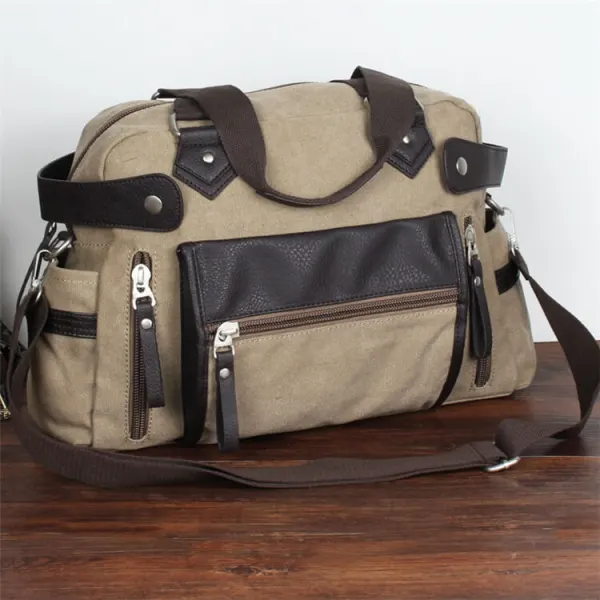
Simultaneously, expanding into functional carry solutions by sourcing
5. The Power of Customization: Unlocking Premium Margins
In an era dominated by automated mass production, modern consumers increasingly crave individuality and personalized branding. Competing purely on price is a dangerous race to the bottom that ultimately erodes brand equity. To command premium retail pricing—often 20% to 30% higher than standard market averages—retailers must offer custom solutions that cannot be replicated by generic competitors.
The integration of bespoke and customizable services has become increasingly accessible for independent and mid-sized boutiques through advanced supply chain networks:
Personalized Apparel: Offering
custom men t-shirts Coordinated Custom Looks: Expanding into
custom men sets Bespoke Gear and Footwear: Elevating your accessory lines with
custom men bags custom men shoes
Custom and made-to-order models operate on near-zero dead stock principles, ensuring that every unit produced translates directly into uncompromised profit.
6. Operational Excellence: Inventory Discipline and Data-Driven Buying
Smart sourcing is not merely about choosing the right products; it is about managing the operational lifecycle of your boutique inventory with rigorous discipline. Even the highest-margin product will hemorrhage profits if it sits unsold on your shelves for months or gets bogged down by excessive return logistics.
Embrace Agile Replenishment: Partner with suppliers who offer rapid fulfillment and low minimum order quantities (MOQs). This prevents cash flow lockup and allows you to test new trends before committing large amounts of capital.
Treat Returns as Data: Analyze return reasons meticulously. If a specific SKU generates high fit-related returns, collaborate with your manufacturing partners to adjust sizing charts or refine structural grading.
Implement the "Core + Trend" Model: Maintain steady stock on your foundational best-sellers while utilizing small-batch, limited-run orders for seasonal trends and aesthetic drops to drive urgency and excitement.
7. Building a Sustainable Future Through Smart Sourcing
Maximizing sales and profitability in the wholesale menswear and footwear sector requires a fundamental shift from reactive purchasing to proactive, strategic sourcing. By building your inventory upon a reliable foundation of core essentials, expanding thoughtfully into seasonal sets and denim, and elevating your brand value through customization and personalization, you create an unshakeable competitive advantage.
The modern retail landscape belongs to business owners who view their supply chain as an active partner in growth rather than a passive warehouse. Audit your current inventory strategies, demand precision and agility from your manufacturing partners, and position your boutique as a definitive destination for quality, comfort, and individuality. Your bottom line will reflect the power of smart, intentional sourcing.


Comments
Post a Comment