How to Source High-Quality Wholesale Denim Apparel for Your Fashion Business
Navigating the global supply chain to build a resilient, highly profitable apparel brand requires balancing trend awareness with logistical precision. In the fashion industry, few product categories offer the consistent sales velocity, year-round relevance, and robust consumer loyalty of denim. From high-fashion digital boutiques to traditional heritage storefronts, denim garments serve as a vital financial anchor. Consumers view these items as long-term investments in their personal style, routinely purchasing multiple variations to satisfy diverse lifestyle needs.
However, denim production is a highly specialized craft that involves complex weaving structures, precise chemical wash cycles, and strict sizing matrices. For independent retail buyers and emerging e-commerce entrepreneurs, procurement can quickly become overwhelming. Partnering with a fragmented network of unlinked factories frequently introduces quality variations, costly communication delays, and inflated shipping overhead. To scale successfully, modern retail procurement teams must move toward a unified sourcing model. This comprehensive guide outlines how to systematically evaluate material compositions, identify manufacturing capabilities, and secure premium
1. Demystifying Material Quality: Fabric Weights and Compositions
The absolute foundation of a high-converting denim collection is the technical construction of the textile itself. Before evaluating aesthetic trends or wash details, your procurement team must analyze the material composition and weight classifications of your potential inventory.
Weight Classifications and Seasonal Planning
Denim weight is determined by measuring the ounces per square yard of fabric. Understanding this metric allows your buying team to optimize your open-to-buy budget for seasonal climate shifts:
Lightweight Denim (5 oz – 9 oz): Soft, highly fluid, and breathable. This weight class is completely unsuited for heavy-duty workwear but is the optimal material choice for designing lightweight summer tiered skirts, breezy utility shirts, and soft children's playwear.
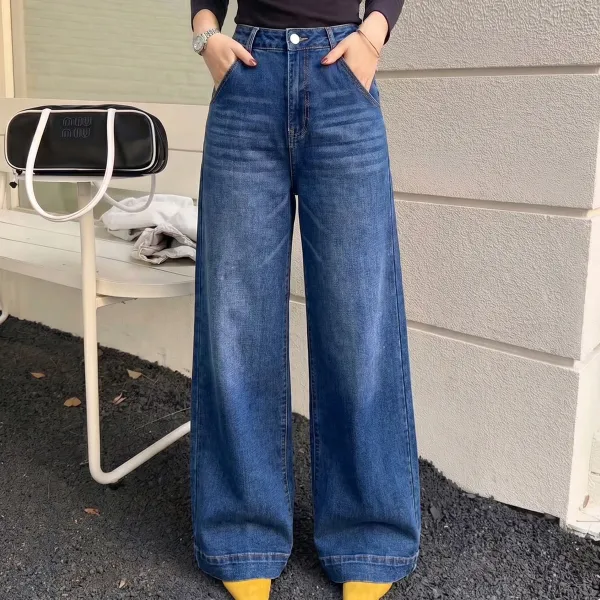
Midweight Denim (10 oz – 12 oz): The absolute sweet spot for contemporary fashion retail. This fabric class delivers an excellent balance of immediate out-of-the-box comfort and structural durability. It is the highly recommended baseline for women’s wide-leg jeans, relaxed boyfriend fits, and light transitional outerwear.
Heavyweight Denim (13 oz – 15 oz+): Rigid, dense, and incredibly durable. This traditional construction is favored by heritage streetwear collectors and workwear enthusiasts. While it requires an initial break-in period, it provides the clean structural lines and deep creases required for premium raw denim aesthetics.
The Rise of Multi-Blend Textiles
While traditional denim relied entirely on 100% cotton constructions, the contemporary consumer demands a soft, body-contouring experience without compromising structural integrity. To capture maximum market share, retail buyers should source specialized multi-blend fabrics. For women’s sculpting and skinny silhouettes, look for denim that combines long-staple cotton with variable percentages of polyester and elastane. Polyester behaves as a stabilization agent that locks the fit in place, preventing the garment from bagging out at the knees and hips, while elastane provides the vital stretch comfort that modern women demand for daily wear.
2. Navigating the Wash Cycle: Evaluating Finishing Excellence
The aesthetic character, vintage appeal, and final tactile feel of denim are created entirely during the post-assembly wash and finishing stages. Sub-par manufacturers often cut corners during this phase, utilizing harsh, unregulated chemicals that weaken the cotton fibers or leave inconsistent patches across the fabric. Partnering with a reliable vendor ensures your inventory undergoes premium, state-of-the-art finishing treatments.
Eco-Friendly Softening: Enzyme Washing
Traditional stone washing uses jagged pumice stones to abrade the fabric and release indigo dye. While effective, this mechanical process can degrade the cotton fibers and create inconsistent wear patterns across production batches. Elite suppliers have transitioned to advanced enzyme washing techniques. This process uses natural cellumax enzymes to break down the surface molecules of the fibers, creating a completely soft texture right off the hanger while preserving the longevity of the twill structure.
High-Contrast Modernity: Laser Distressing
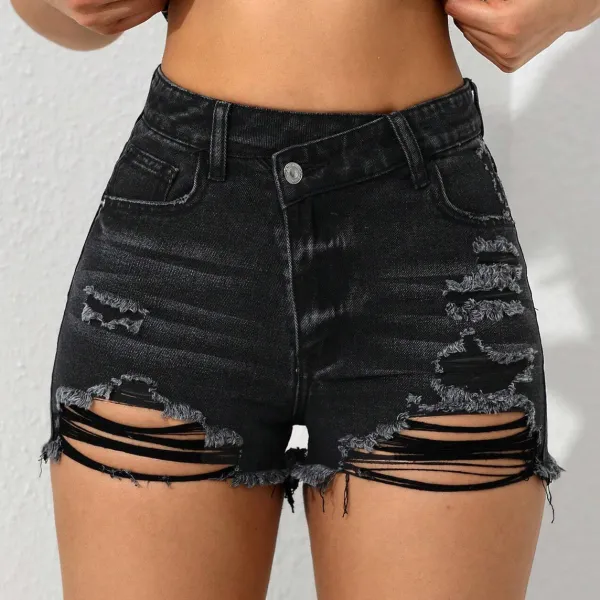
Distressed, ripped, and whiskered details are persistent drivers of high-velocity impulse sales across the youth and streetwear demographics. However, traditional manual hand-scraping and chemical bleaching create immense human error and environmental hazards. When vetting suppliers, prioritize manufacturers that utilize computer-controlled laser distressing systems. Laser technology burns precise whispering gradients, honeycombs, and frayed tears onto the fabric in seconds, ensuring that every garment in your delivery matches your approved lookbook sample with absolute precision.
3. Demographic Segmentation: Tailoring the Catalog for Universal Appeal
A truly resilient, multi-dimensional fashion house avoids relying on a single, narrow customer profile. To optimize your brand's cash flow and capture complete household budgets, your denim pipeline must offer targeted, demographic-specific collections engineered for women, men, and children.
Men’s Collection: Durability and Structured Utility
The male denim consumer is intensely driven by fit consistency, fabric density, and long-lasting utility. Unlike the fast-moving, trend-dependent women's market, men view denim as a long-term wardrobe tool. To establish undeniable authority in this sector, your storefront must stock high-performance
Focus your buying power on clean-cut relaxed straight-leg silhouettes, tapered athletic fits, and functional utility cargo styles crafted from mid- to heavyweight denim. Pay close attention to construction details: ensure your men's collection features reinforced double-stitched inseams, heavy-duty brass zipper closures, and wide belt loops that can accommodate rugged leather utility belts.
Children’s Collection: Elasticity and Playwear Comfort
Procuring kids' denim requires an entire shift in manufacturing priorities. Because children possess sensitive skin and engage in high-mobility play, rigid or heavyweight raw denim is entirely inappropriate. Your kidswear department must be built around specialized, lightweight
Look for ultra-soft cotton-spandex flex blends that fall into the 8-ounce to 10-ounce range. For toddlers and younger children, prioritize designs featuring fully elasticized comfort waistbands, internal adjustable button tabs, and faux-fly closures that allow for easy dressing and accommodate rapid growth spurts. Ensure that older children's lines feature reinforced double-layered knees to withstand rugged playground use while mirroring modern adult silhouettes like straight-leg and relaxed skater cuts.
Transitional Summer Agility: Warm-Weather Bottoms
As seasonal temperatures rise, your retail floor must adjust dynamically to provide lightweight alternatives to full-length denim. The warm-weather buying cycle is dominated by casual, leg-baring styles. Aligning your supply chain with a dependable
4. Elevating Brand Equity through Custom Sourcing and Outerwear
Because the global apparel market is hyper-competitive, relying entirely on unbranded, identical mass-market wholesale items can expose a boutique to intense price competition from online rivals. The definitive method for shielding your profit margins and scaling long-term brand equity is moving into private label customization.
Consolidated Outerwear Production
To maximize your storefront’s average order value (AOV), your outerwear pipeline must deliver cohesive styling and uniform quality across all size ranges. Partnering with vertically integrated
Whether you are producing oversized distressed truckers for women, sherpa-lined utility jackets for men, or lightweight embroidered layers for kids, utilizing a single manufacturing network guarantees matching hardware finishes, uniform dye lots, and a consistent design language across your entire storefront.
The Power of Proprietary Customization
The transition from a basic clothing reseller to a highly desirable, sovereign lifestyle label relies heavily on customized product execution. Investing in premium
Advanced custom manufacturing allows you to attach custom-embossed leather waist patches, add branded metal rivets, and sew your own luxury labels into the necklines from day one. You can collaborate directly with factories to specify proprietary seasonal color palettes, adjust garment inseams to better match your target audience's fit profile, and design custom embroidery artwork. Customization shifts your inventory away from generic commodity comparisons, allowing your brand to command premium retail pricing power.
5. Supplier Vetting Checklist: 5 Operational Metrics for Success
Sourcing premium denim requires evaluating more than just aesthetic appeal; your chosen wholesale partner must align perfectly with your business model's logistical requirements. Use this five-step checklist to systematically vet potential vendors:
Flexible Minimum Order Quantities (MOQs): Cash flow flexibility is paramount for emerging labels. Choose suppliers that offer low or flexible MOQs, allowing you to buy small sample batches across multiple washes to test what resonates with your audience before committing heavy capital.
Proportional Pattern Grading: Sizing inclusivity is a major driver of modern brand loyalty. Ensure your factory does not simply scale up straight-size patterns, but instead uses intelligent, proportional grading to create garments that comfortably support and flatter extended size profiles.
Inline Quality Control (QC) Protocols: Denim manufacturing involves intense manual and automated washing processes that can cause slight sizing distortions. Your partner must enforce strict inline QC checks to verify stitching straightness, hardware security, and dimensional stability across all batches.
Logistical Transparency: Fashion is deeply time-sensitive. Your wholesale platform must provide reliable tracking, secure packaging that insulates delicate fabrics from moisture during sea transit, and transparent customs documentation to prevent border delays.
Private Labeling Integration: To future-proof your business, verify that the manufacturing facility houses custom branding, tagging, and packaging departments directly at the end of the production line to streamline your private label launch.
6. Sourcing Strategy Blueprint: The Retail Sourcing Matrix
To assist your retail store's buying team in organizing and executing their purchasing budget ahead of the upcoming peak high-volume seasons, utilize this structural merchandising matrix:
| Product Sourcing Vertical | Target Consumer Profile | Optimal Textile Weight & Blend | Key Design Elements to Prioritize | Direct Sourcing Gateway |
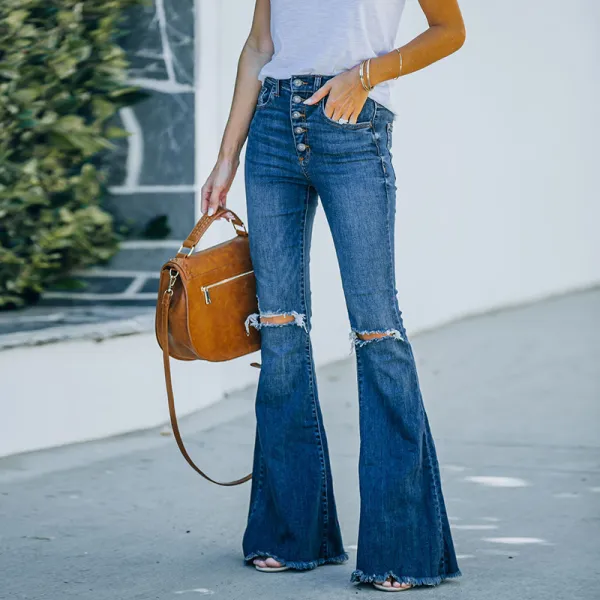
| Women’s Denim Bottoms | Fashion-Forward Boutiques, Digital Shoppers | 10 oz – 12 oz Midweight Cotton-Poly-Elastane Blend | High-rise wide-leg, vintage straight-leg, cropped flares | |
| Men’s Performance Denim | Functional Modernists, Heritage Shoppers | 13 oz – 14 oz Heavyweight Long-staple Cotton | Tapered athletic cuts, cargo utility pockets, reinforced loops | |
| Children’s Playwear Denim | Practical Parents, Comfort-Driven Families | 8 oz – 10 oz Lightweight Cotton-Spandex Flex | Elasticized comfort waistbands, adjustable internal tabs | |
| Transitional Summer Denim | Coastal Luxury Shoppers, Festival Goers | 9 oz – 11 oz Lightweight Breathable Cotton | Raw frayed hems, mid-thigh lengths, high-rise 90s cuts | |
| All-Demographic Outerwear | Cross-Selling Curators, Lifestyle Brands | 12 oz – 13 oz Structural Mid-Layer Twill | Trucker silhouettes, custom interior welt pockets, brass shanks | |
| Proprietary Private Label | Sovereign Fashion Houses, Exclusive Labels | Custom Specified per Tech Pack and Profile | Branded leather patches, custom rivets, unique embroidery |
7. Supply Chain Optimization: Demand-Driven Procurement
Ultimately, achieving sustained growth in the apparel sector requires a strategic combination of trend awareness and backend operational excellence. Modern consumers will continue to demand high-quality garments that make them look effortlessly coordinated and completely confident, without breaking the bank.
Structuring your retail or e-commerce inventory around bulk matching tops and structured denim—spanning professional trousers, cozy knitwear, casual crop tops, structural bodysuits, premium basics, and weather-defying outerwear—is a brilliant way to insulate your business from unpredictable market shifts. Partnering with a reliable, advanced wholesale platform gives your brand the logistical speed and financial agility needed to capitalize on fast-moving digital trends while securing excellent profit margins. Give your customer base exactly what they are looking for: a constant stream of beautifully crafted, impeccably styled garments that make getting dressed the easiest, most empowering part of their day.
8. Future-Proofing Your Fashion Enterprise
Building a highly profitable fashion business or digital boutique boils down to an ongoing exercise in risk mitigation and consumer empowerment. The apparel a customer chooses to wear is deeply personal; it dictates their physical comfort during long commutes, projects their personal style archetype at high-stakes social events, and frames their visual aesthetic across digital spaces.
By strategically structuring your store's inventory around these foundational denim pillars—ranging from tailored women's bottoms and rugged men's utility styles to flexible children's playwear, breezing summer shorts, and premium structured outerwear—you position your retail enterprise as an indispensable, comprehensive style destination. Aligning your supply chain with a world-class, advanced wholesale platform gives your brand the operational agility required to capitalize instantly on rapidly shifting digital trends, maintain healthy profit margins, and eliminate the financial risk of dead stock. Give your audience exactly what they are looking for: the freedom to explore an extensive, impeccably curated catalog of garments that provide complete wardrobe versatility, unmatched confidence, and effortless style for every single occasion life throws their way.


Comments
Post a Comment