Mastering the High-Margin Sourcing: Why Lingerie Retailers Should Shift to Private Labeling
In the rapidly evolving landscape of 2026, the traditional retail model—buying finished goods from a third party and reselling them at a markup—is facing unprecedented pressure. Competition from global marketplaces and the erosion of brand loyalty have squeezed margins to their thinnest point in history. For the lingerie boutique owner or e-commerce entrepreneur, the question is no longer "How do I sell more?" but rather "How do I capture more value from every sale?"

The answer lies in the shift to private labeling. By moving away from wholesale resale toward a private-label model, you transform your business from a commodity retailer into a brand authority. This guide explores the strategic imperative of high-margin sourcing and how private labeling serves as the ultimate engine for sustainable profitability.
1. The Trap of Commodity Resale
When you sell generic, branded, or unbranded wholesale goods, you are essentially trapped in a price war. If your customer can find the same lace set or satin slip at ten other online shops, your only competitive advantage is price. This leads to a "race to the bottom," where discounting becomes your primary marketing tool.
By contrast, private labeling allows you to own the product identity. When the item carries your brand label, your unique packaging, and your specific fit preferences, you are no longer selling a generic SKU—you are selling a proprietary experience.
2. Strategic Partnerships: Beyond Basic Wholesale
To successfully pivot to private labeling, you need a different kind of partner. You are not looking for a "box-shifter" who simply moves units; you are looking for
The move to private label does not mean you have to invent a bra from scratch. It means you take a proven silhouette and refine it. You might take a high-performing basic bra, change the hardware to match your brand's color palette, upgrade the strap elastic, and add your custom woven label. This subtle evolution takes an "off-the-shelf" item and turns it into a "signature piece."
3. High-Velocity Sourcing Categories
When structuring your private-label strategy, it is essential to focus on categories with the highest potential for repeat purchases and emotional attachment.
The Foundation: Bras and Panties
The recurring nature of the
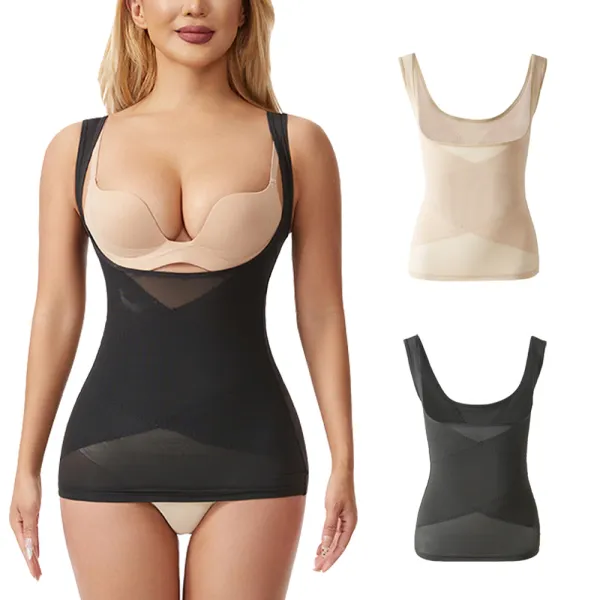
The Value-Add: Shapewear
The
4. Expanding the Demographic Moat
Private labeling is particularly effective when addressing underserved or specific segments of the market. Because the big-box retailers prioritize "mass-market" designs, they often leave massive gaps in sizing and specialized needs.
Focusing your private-label efforts on the
5. The Personalization Frontier
If private labeling is the next step for your business, the final destination is total customization. In 2026, the technology to produce
Customization offers several high-margin benefits:
Reduced Returns: Because you are selling a product with a "custom" component or a highly specific "house fit," customers take more care in the ordering process.
The Gift-Ability Factor: Personalized lingerie—such as items with custom labels or unique color combinations—is a massive driver during holiday and wedding seasons.
Brand Exclusivity: When you produce a limited run of custom pieces, you create "scarcity," which allows you to maintain full-price sales without the need for constant clearance events.
6. Financial Discipline in the Private-Label Shift
Shifting to private labeling requires a disciplined approach to cash flow. While the margins are higher, the upfront investment is also greater than simply buying finished goods.
Start Small: Don't pivot your entire catalog at once. Start with your "hero" categories (your top-selling bra or shapewear line).
Focus on Packaging: Often, the "private label" feel comes from the unboxing experience. High-quality custom tissue, branded inserts, and well-designed boxes can make a standard piece of lingerie feel like a luxury boutique purchase.
Iterative Development: Use the feedback from your customers to refine your private-label designs. If you receive feedback that your customers want wider wings on your private-label bra, work with your manufacturer to adjust the spec for the next production run.
7. The Bottom Line: Capturing the Value Gap
The "value gap" is the difference between what a customer pays for a product and the cost of the goods sold (COGS). When you sell generic wholesale, that value gap is shared between you and the manufacturer/brand. When you sell private label, you claim that value gap for yourself.
This extra profit isn't just "extra money." It is the fuel for your next stage of growth. It allows you to invest in better photography, higher-quality digital marketing, and superior customer service. It creates a virtuous cycle where your brand becomes stronger, your customer loyalty deepens, and your profit margins expand.
8. Moving from Merchant to Maker
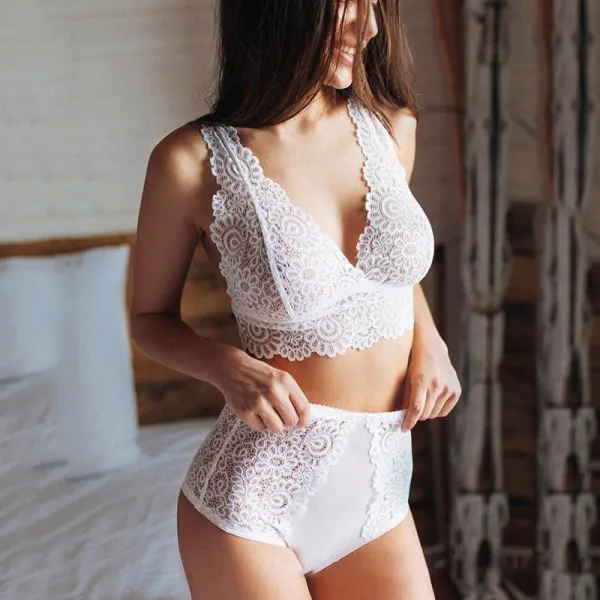
The transition from a retailer to a private-label brand owner is the most significant leap you will make as a business owner. It moves you away from the uncertainty of price-war volatility and into the stability of brand authority.
By leveraging sophisticated manufacturers, focusing on high-utility categories, and embracing the potential of customization, you can build a lingerie business that survives the cycles of fashion and thrives in the long term. Start by identifying your best-selling SKU today, contact your supplier about the potential for white-labeling or custom branding, and take the first step toward capturing the full value of your brand. You are no longer just selling lingerie—you are crafting an identity. Your customers are waiting for a brand they can trust; make sure that brand is yours.


Comments
Post a Comment